The Percentile Die (d%)
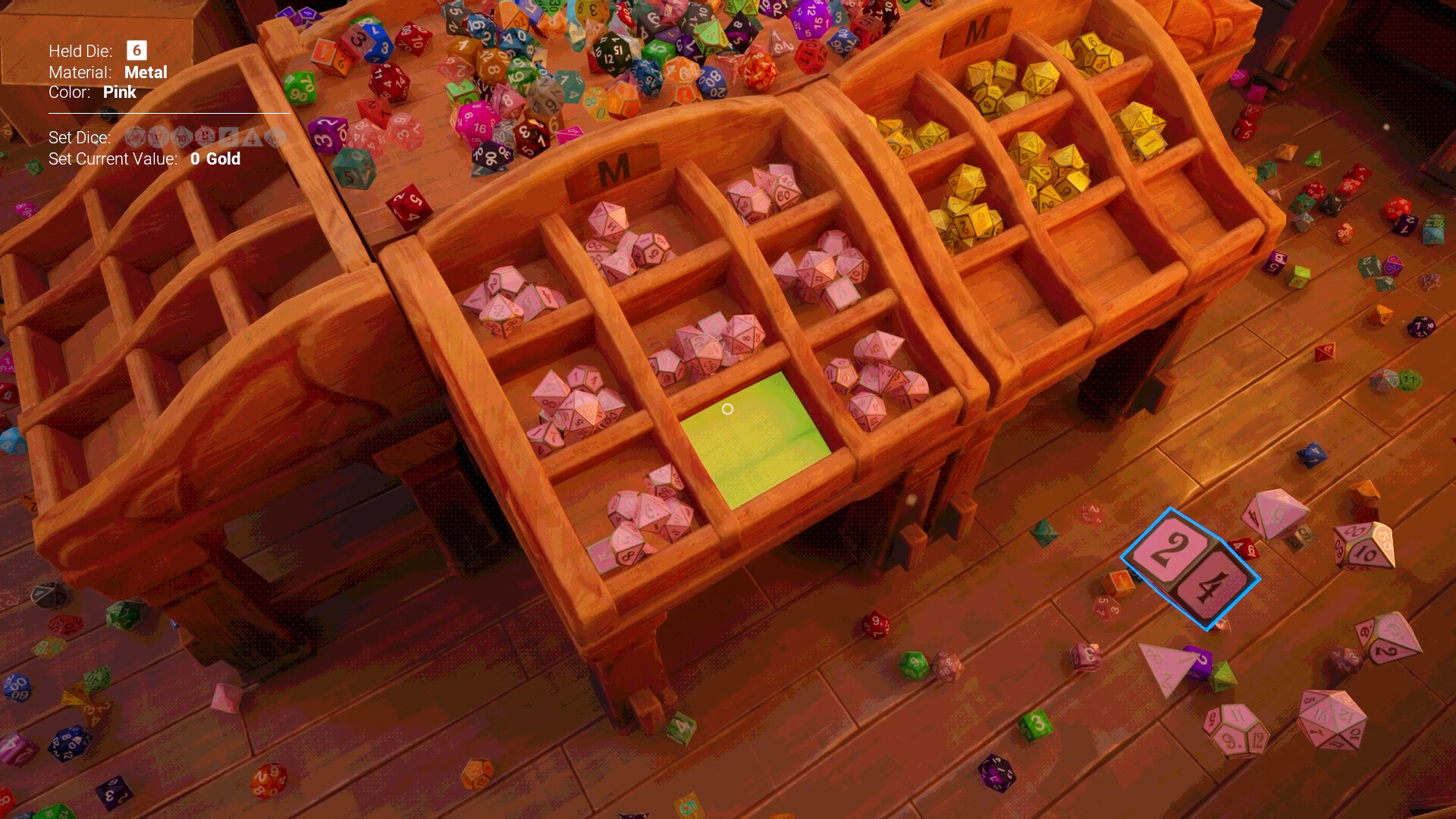
The percentile die is the reason a complete set counts seven pieces instead of six shapes. It is a ten-sided die that wears tens rather than units, and it only does its job alongside a units d10: together they roll a two-digit percentile. On its own it is nearly indistinguishable from an ordinary d10, which makes it one of the easiest pieces to accidentally split away from its partner.
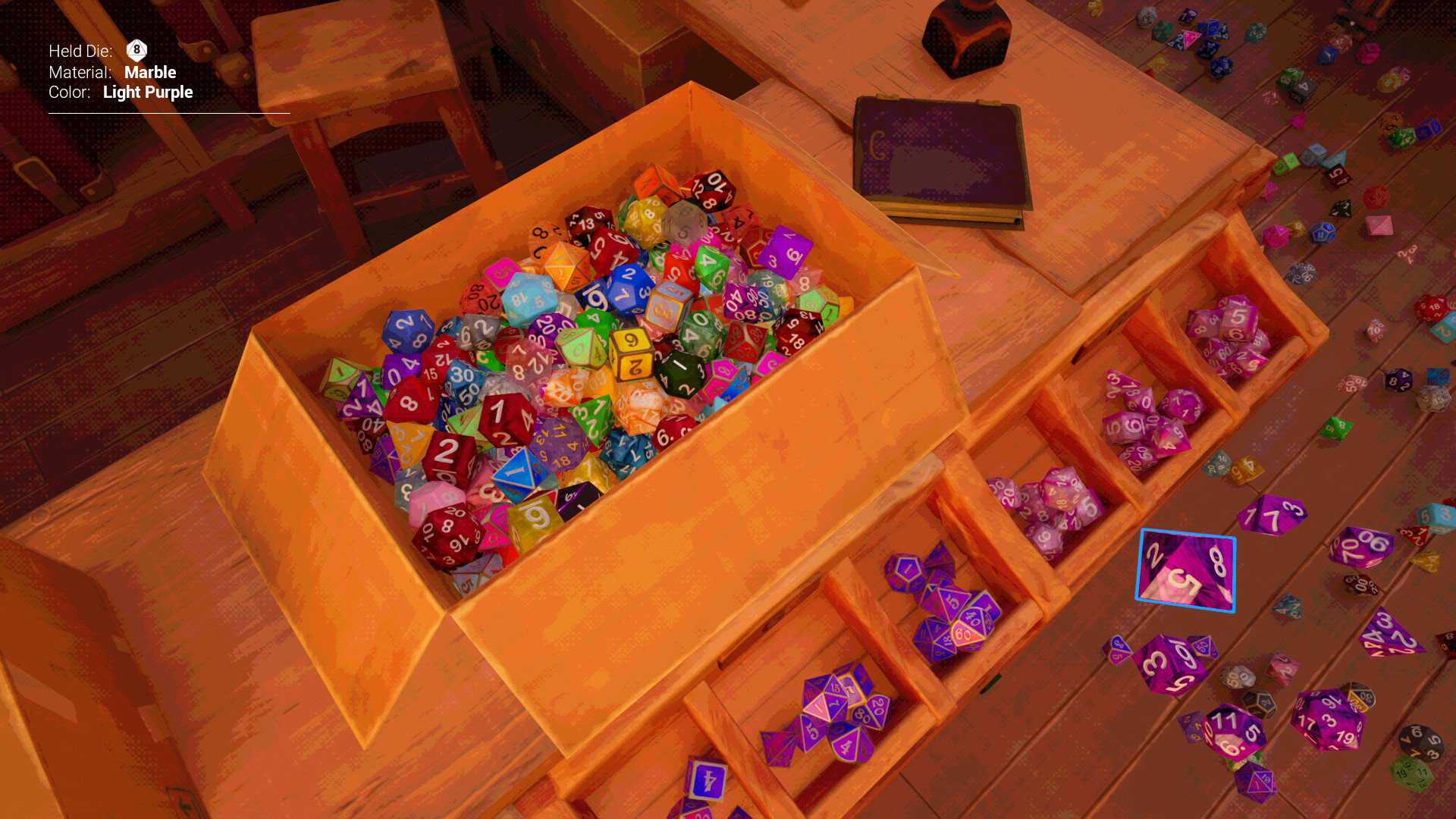
The reading convention is the part new sorters get wrong. The units d10 runs zero through nine; the percentile die steps in tens. Rolled as a pair they compose a percentile number, and the double zero is conventionally read as the top of the range rather than a literal zero. In a shelf-sorting game you are not rolling them, but the convention tells you which die is which when two identical-looking ten-sided pieces sit side by side.
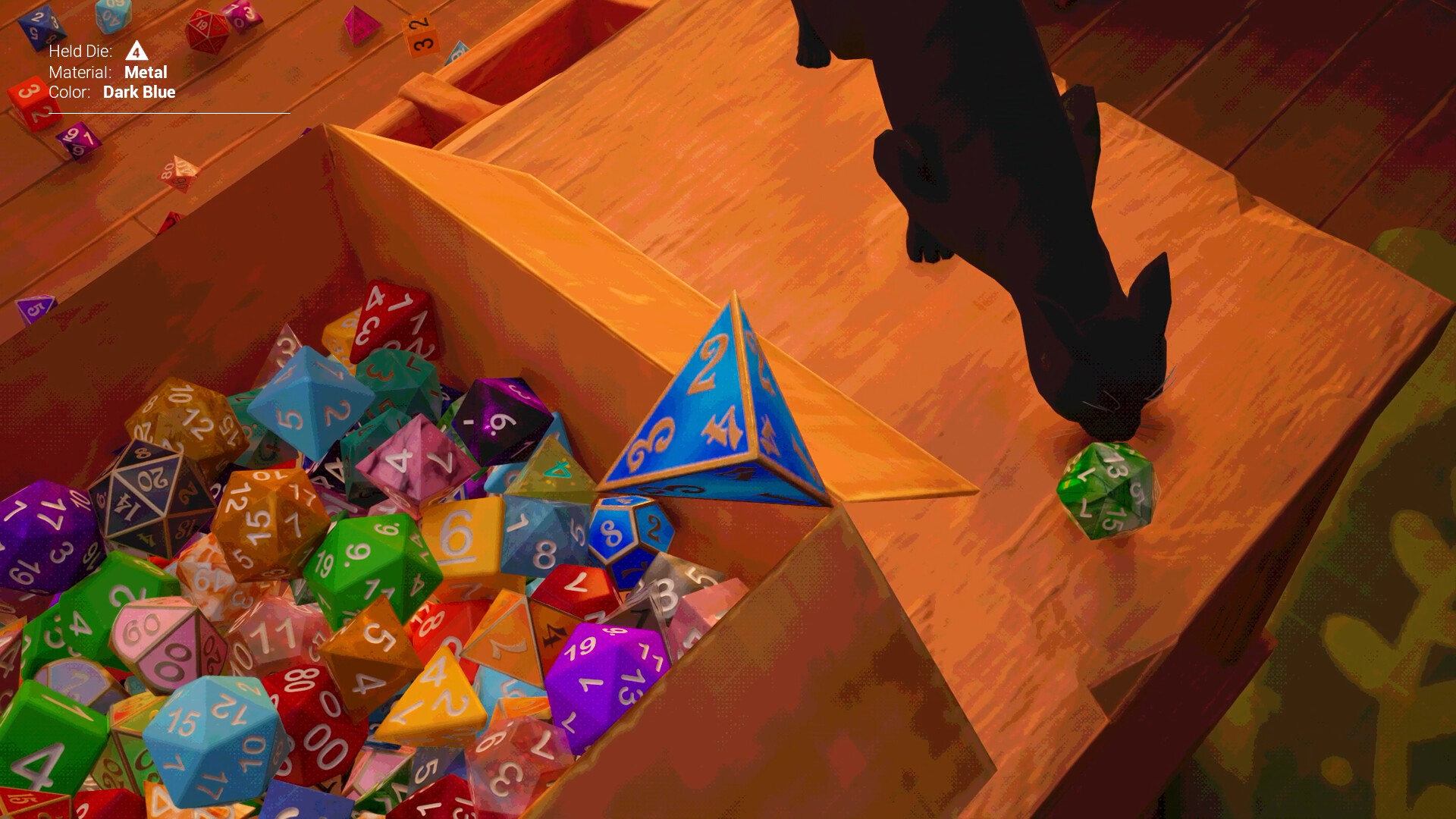
The practical rule is never to separate the pair. If you find a percentile die, hunt for the matching units d10 of the same colour and material before you stock either, because a set with the tens dice split across two shelves is a set that looks broken from every angle. Keep them together and the ten-sided slot in every set becomes easy to verify.
How it fits the shop
This entry is part of the dice sets section of the guide. The percentile die is a ten-sided die numbered in tens, read alongside a units d10 to make a percentile roll. It is the tens die of the pair, kept with its matching units die so a set stays complete.
The faces in a complete set
The Percentile Die (d%) belongs to a complete seven-piece RPG set. A full set once holds d%, d4, d6, d8, d10, d12, d20.
Where this comes from
Source · tier 1
“Each set needs one of every classic polyhedral die: a percentile die, D4, D6, D8, D10, D12, and D20.”
Source · tier 2
“Two dice are rolled together to generate the digits of a percentile number from 00 to 99, known as d100 or d%, reading from 1 to 100.”
Verified 2026-11-09 · pre-release build — facts may change after launch.