What is actually in the basement: the ending, start to finish
Two shifts of build-up, one ID card, and about four minutes of dialogue. The ending is short, and it retroactively rewrites every email you were sent.
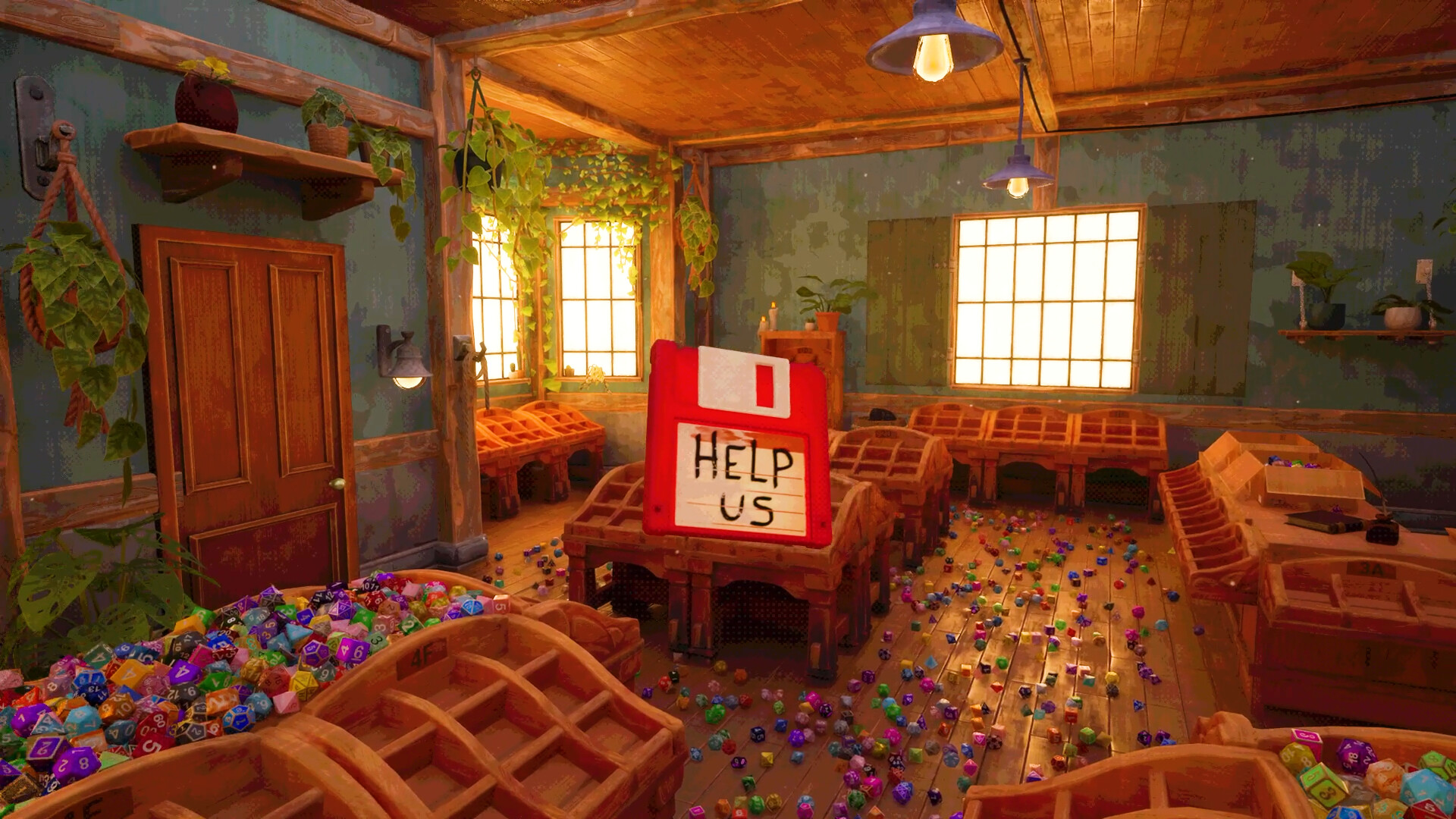
For the first two days of this site’s life the basement was a locked door and nothing more, and the pages said so on purpose: the room was gated, the gate was employment, and anything behind it would have been a guess. That is no longer the situation. The door has been opened, the ending has been played through to its last line, and two separate runs reached the same screen and the same dialogue. What follows is the whole thing, in order, because a guide that stops at the door is not much use to somebody who has already found the card.
This is the one page on the site that spoils the ending outright. The rest of it does not depend on you reading this, but if you want the shop to stay a shop for a while longer, close the tab and come back when the ID card is in your pocket rather than handing it to you at the start.
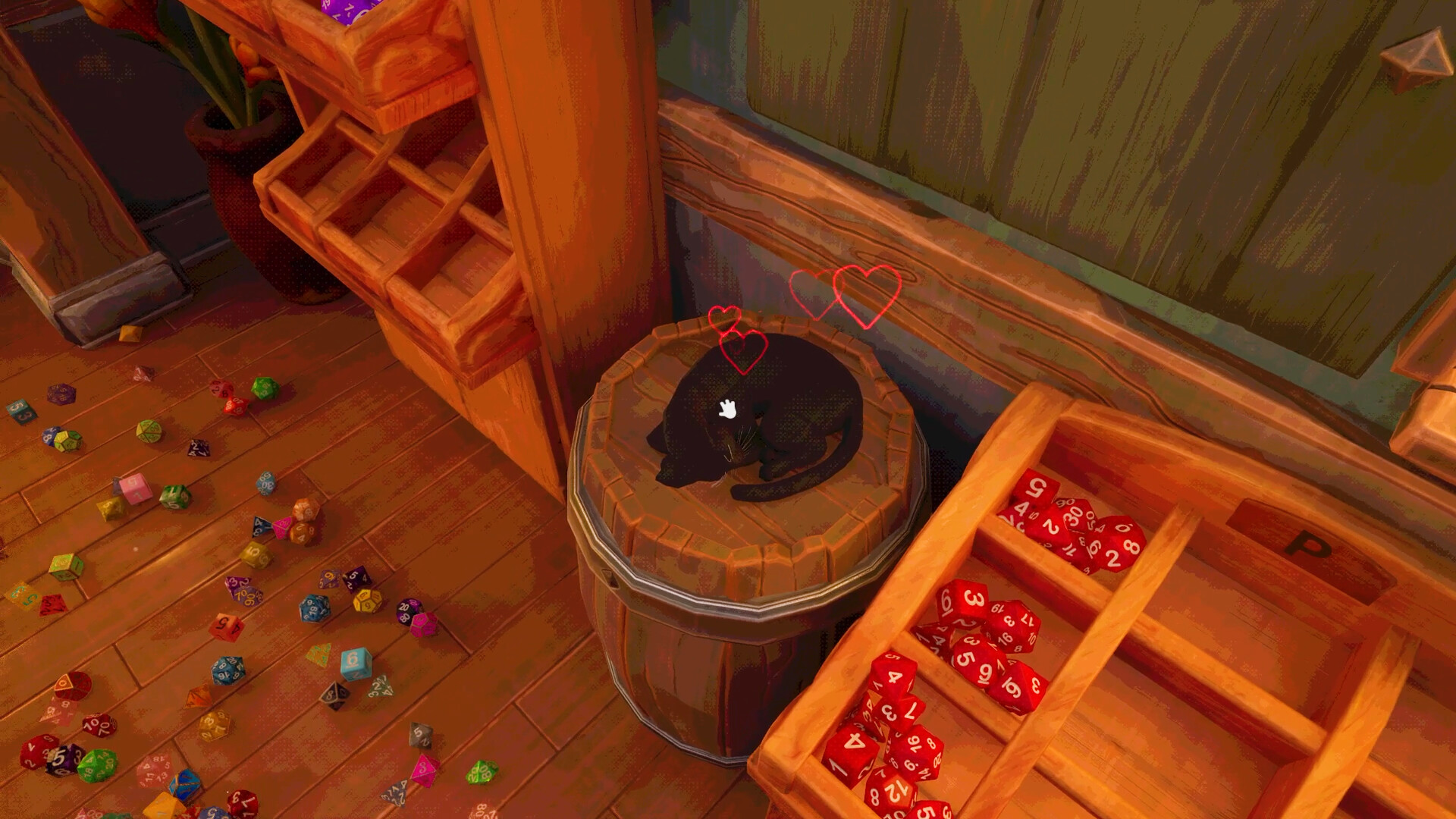
The card arrives at the end, not the beginning
The single most useful thing to know is that the basement does not unlock at a level, a milestone, or a story beat you can rush. It unlocks when the shop is finished. The training computer’s final message is a completion notice, and it is the thing that produces the badge: restock every set correctly, and the company congratulates you, tells you that you will find your employee ID card and a small gift waiting on the counter, and adds that you are free to go home and that the door will stay open if you ever want to come back.
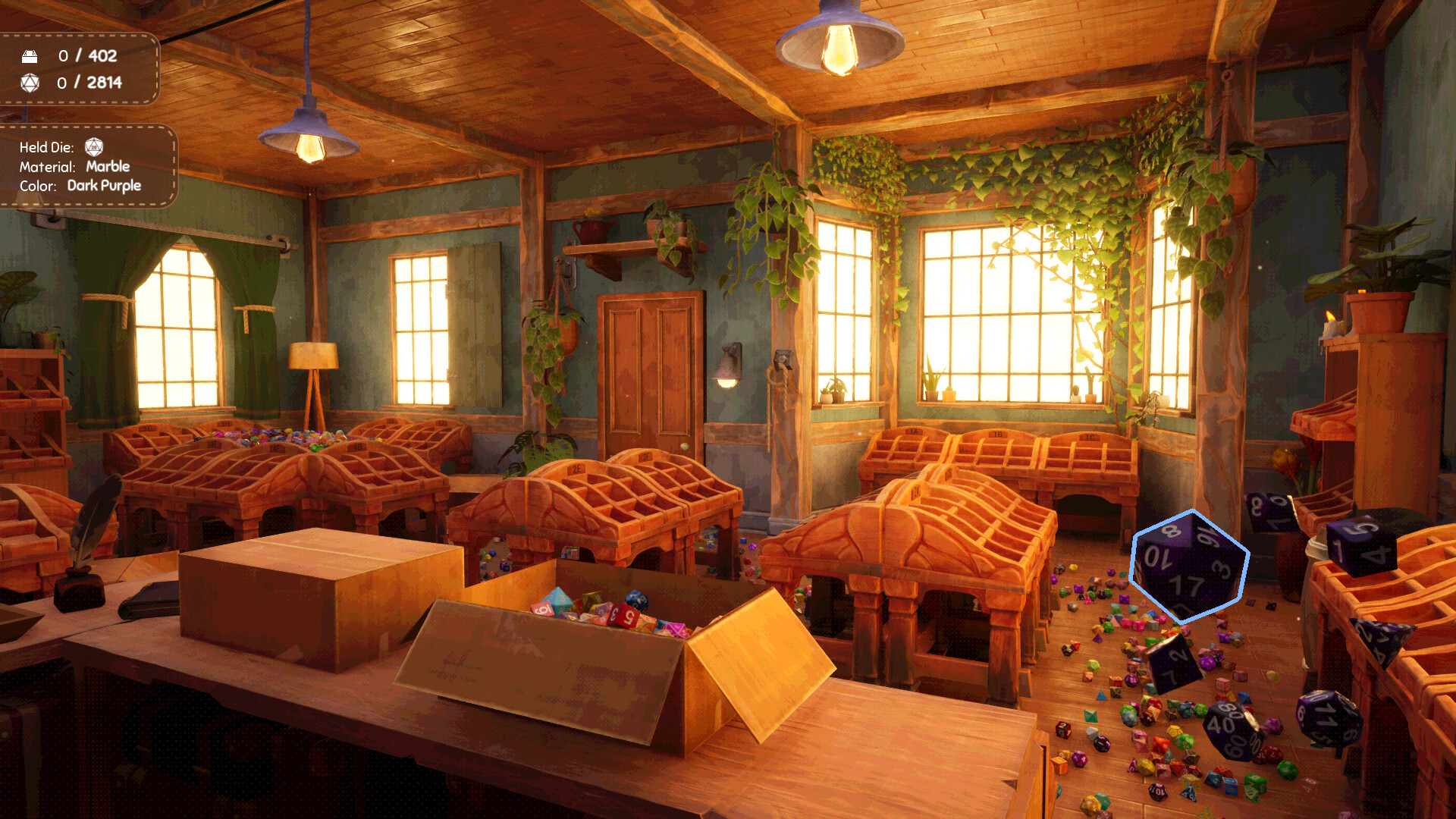
That sequencing is the whole design in one sentence. The reward for finishing the job is the credential that lets you break the rule you were given on your first morning, and the credential is handed over by the same voice that gave you the rule. Nobody in the game ever acknowledges the contradiction, which is the point: the company treats an employee badge as a reward, and the badge is also the key to the one room you were told not to enter.
Practically, this means the basement is the last thing you do in a run rather than a mid-game detour, and it means the ending cannot be reached early by being clever with a lock. There is no lock to pick. There is a stock quota and then a badge.
The previous employee has a name, and a family
The second thing the ending supplies is the answer to a question the opening days only gesture at. The letters are not from an anonymous well-wisher. They are from the family of the woman who had your job before you — her name is Grace — and the details they give are ordinary enough to be worse than any horror setup: the last time she called home was a few days after she started, she said she loved the new job, and she mentioned a basement. They were glad she was settling in. They have not heard from her since.
They hired a private investigator, who is the person actually writing to you, and who tells you plainly that he writes at night to get around the company’s mail checks. The family’s letter is the one that arrives inside a floppy disk, and it is the emotional centre of the entire story: they know they are asking a stranger for something enormous, they say so, and they ask anyway. Their request is specific and small in the way real requests are — go down, shut off the security system, so that the investigator can reach the company’s system from outside the shop — and it ends with the line that makes the whole thing land, which is that they are now worried about you too.
That last sentence is doing structural work. Up to this point the mystery has been about a missing person you never met, which is a puzzle. The family’s letter converts it into a warning about your own position, and it does that before you have any evidence that the warning applies to you. The game is quietly telling you the shape of the ending several shifts before you can reach it.
The case notes are worse than the letter
Somewhere in the last stretch of the shop a disk turns up that is not a skill. It carries question marks rather than a power’s name, and its contents are a set of case notes: rows of entries with dates and statuses, and the statuses are words like turned, failed, unknown and missing. One of the entries reads as a person and a surname with the word turned next to it.
One note in that file describes the observation method, and it is the most unsettling paragraph in the game: entries recorded before a quota, asking when they could go home; entries recorded after the quota; a note that a lower canine is still growing and the ears are tapering; and a note that the subject saw their reflection and insisted they always look like that. Then a line about the numbers — that most of them turn shortly after. The file is a personnel log kept by somebody who was watching people change, and it is written in the flat register of a form.
What makes it effective is that it arrives as loot. You have spent hours opening boxes hoping for an ability, and this is what one of them contains. The game does not stop to let it land. You read it, you keep sorting, and the implications catch up on their own.
The voice downstairs is not a monster
Inside the basement the shop stops pretending. The room is full of dice, there is no running, and the system starts talking. It begins as a security process telling you that you are beyond your training and could damage the system, and then it stops being a process at all. It laughs at the idea the letters proposed — turning people into dice, what a silly idea, why waste all that potential — and corrects it. They do not turn people into dice. They turn people into hoarders, into goblins, and they do it to their most competent and most reliable employees, one set at a time.
The reveal is not a monster and it is not a corporate board either. It is a compliment. The voice tells you that you are turning out to be the finest one, the best there is, and then asks the question that reframes the entire game: is this not what you wanted? It offers two futures in a single breath. You could shut it all down, go back to your human life and forget any of this happened. Or you could stay among thousands of dice and be the greatest dice goblin who ever lived.
That is the actual ending of Dice Hoarder, and it is a choice, which is more than the build-up promised. It is also a joke that has been running since the first store announcement, which greeted its audience as dice goblins before anyone had played a minute of the game. The word looked like marketing. At the end of the story it is a job description.
Both documented runs picked the same door, and the game had anticipated it
The honest limit of this page is right here: the runs available for this write-up both chose to shut the system down, so what the site can describe is that branch and only that branch. Nothing here should be read as a description of what happens if you accept the offer, because that has not been observed.
The branch that has been observed is the one where you refuse, and it is the best-written beat in the game. The voice does not get angry. It sounds pleased. It explains that you are not the first person to try that, that a few improvements have been made since the last one, and that the basement door now locks as soon as the system goes down. You have not escaped the shop. You have locked yourself inside it, and the voice suggests you look on the bright side: you will be sorting dice for eternity.
Then it signs off with a joke. A title card, or something very like one, appears — dice goblin of the month — and the story is over. The last thing the game does is give you an employee-of-the-month award for the shift on which you tried to destroy the company.
That is a much colder ending than the cozy build-up prepares you for, and it is also entirely consistent with everything the shop has done to you. Every system in the game has been a quota wearing a friendly face, from the morning emails to the well-rested-employee line to the badge on the counter. The trap is not a reversal. It is the same logic applied one room further down.
What the ending changes about the rest of the game
Three things worth carrying back into a fresh run. First, the red disk the investigator sends as a test is not a side errand; it is the first link in the chain that ends in the basement, and treating it as a curiosity costs you nothing but time. Second, the observation log means the floppy disks themselves are now ambiguous: some are clearly tools, and at least one is a message from somebody outside the company, and the game never sorts them into categories for you. Third, and most useful for anyone replaying, the choice at the bottom is a real choice with a documented refusal branch, so a second run has an actual reason to exist beyond finishing the collection.
What the ending does not do is explain the disks. The store copy asked who keeps leaving them and the game answers it only partly: the investigator sends one, deliberately, as a test of whether the mail is being read. Whether the skill disks come from the same sender is left open, and this page will not pretend otherwise. The ending closes the basement and the employer. It leaves the mail slot running.
Where this comes from
Source · tier 3
“You have completed your assignment. You will find your employee ID card and a small gift waiting on the counter.”
Source · tier 3
“You are free to go home. The shop door is open and it will stay open if you ever want to come back.”
Source · tier 3
“The family of the person who worked here before you: our daughter Grace had your job before you, and we have not heard from her since.”
Source · tier 3
“Every shop has a security system in the basement. Once you get your employee ID card, shut it down so our investigator can reach the company system from outside the shop.”
Source · tier 3
“One company was accused of turning people into books, another into bones, and one even into ducks.”
Source · tier 3
“The case notes are statused turned, failed, unknown and missing.”
Source · tier 3
“Lower canine still growing, ears tapering; the subject saw their reflection and said they always look like that.”
Source · tier 3
“Something about these numbers: most turn shortly after.”
Source · tier 3
“Turning people into dice, what a silly idea. We turn people into hoarders, into goblins.”
Source · tier 3
“You could shut it all down, go back to your human life and forget any of this happened, or you could stay among thousands of dice and be the greatest dice goblin who ever lived.”
Source · tier 3
“You are not the first to try that, but a few improvements have been made since then. The basement door locks as soon as the system goes down.”
Source · tier 3
“You just locked yourself in, but look on the bright side: you will be sorting dice for eternity. Dice goblin of the month.”
Source · tier 3
“Time spent restocking 9 hours 10 minutes, dice eaten eight, and then the run ended locked in the basement.”
Source · tier 1
“Hello, dice goblins! ... Your training has been arranged. Please disregard any rumours about the basement.”
Source · tier 1
“Sort every die in the shop, match them into complete seven-piece sets, and uncover what is hidden behind your new job.”
Checked 2026-11-16 against game version 1.0.1.